El Teide National Park
A Photographic Journey Through Fire, Life, and Memory
Rising 3,715 metres above the Atlantic, Mount Teide is the highest peak in Spain and one of the most striking volcanic landscapes on Earth. Its national park, on the island of Tenerife, is a place where geology, ecology, and human history meet. This world is the subject of El Teide National Park, a photography book that took several years to complete.
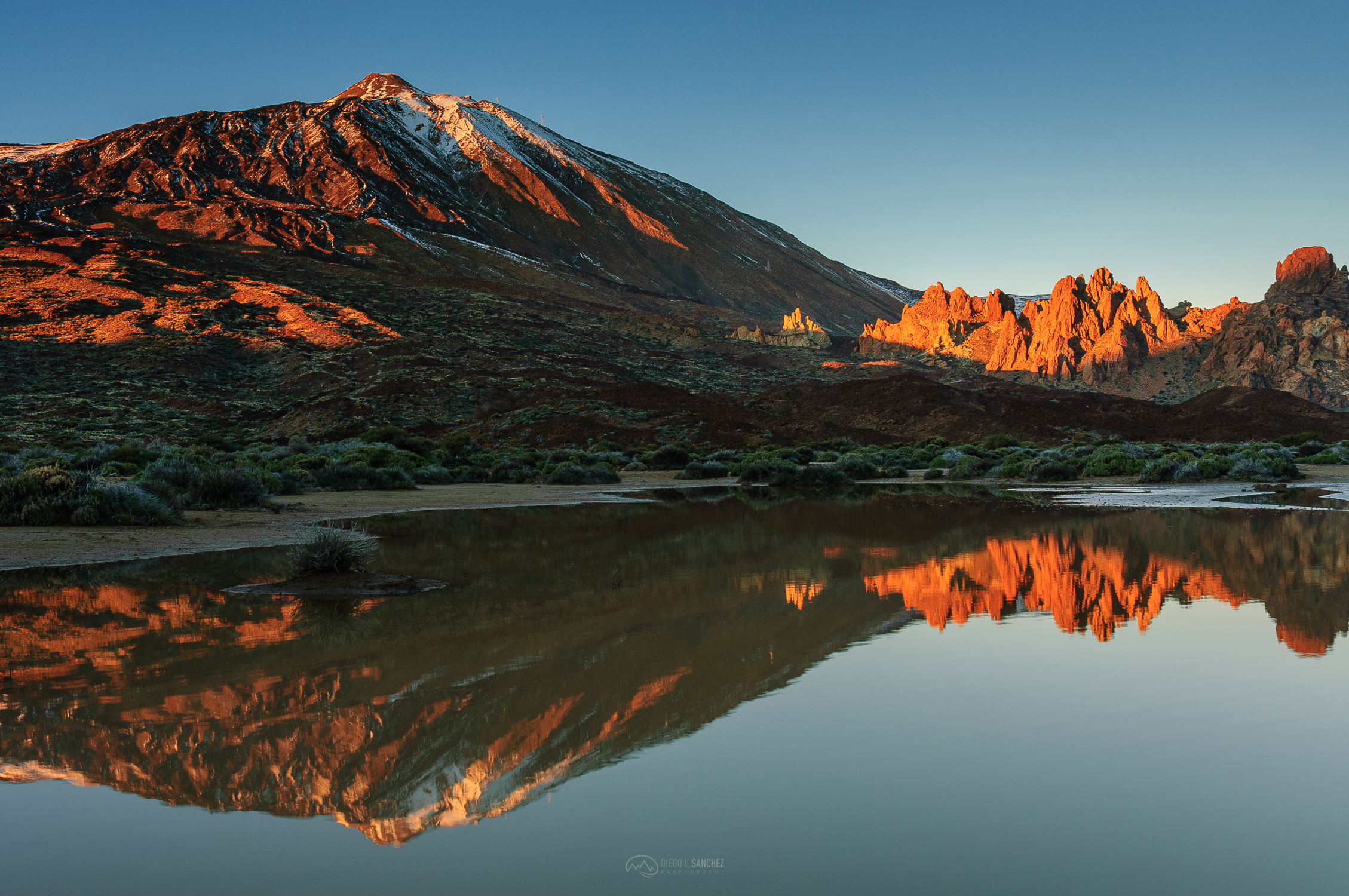
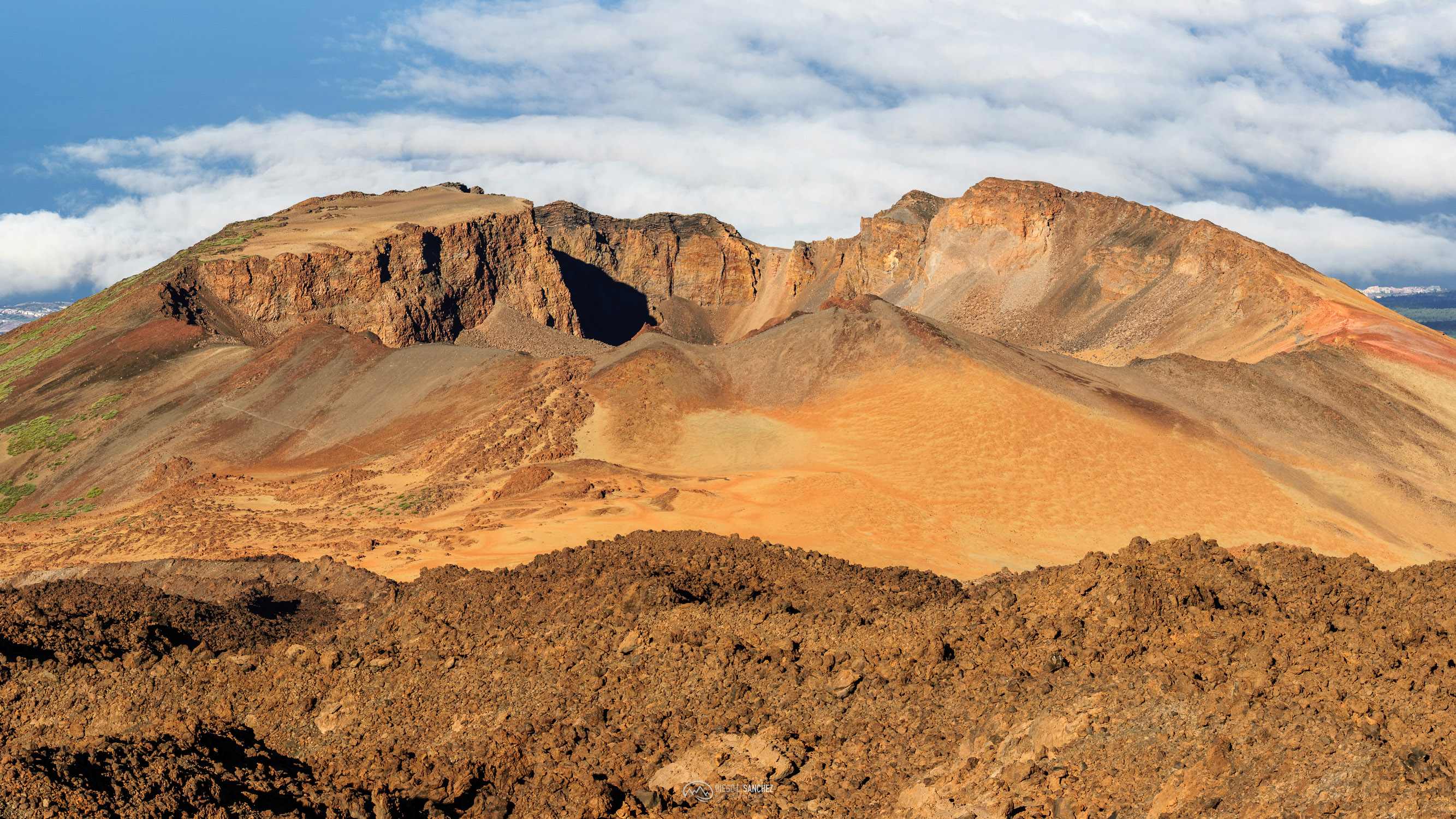
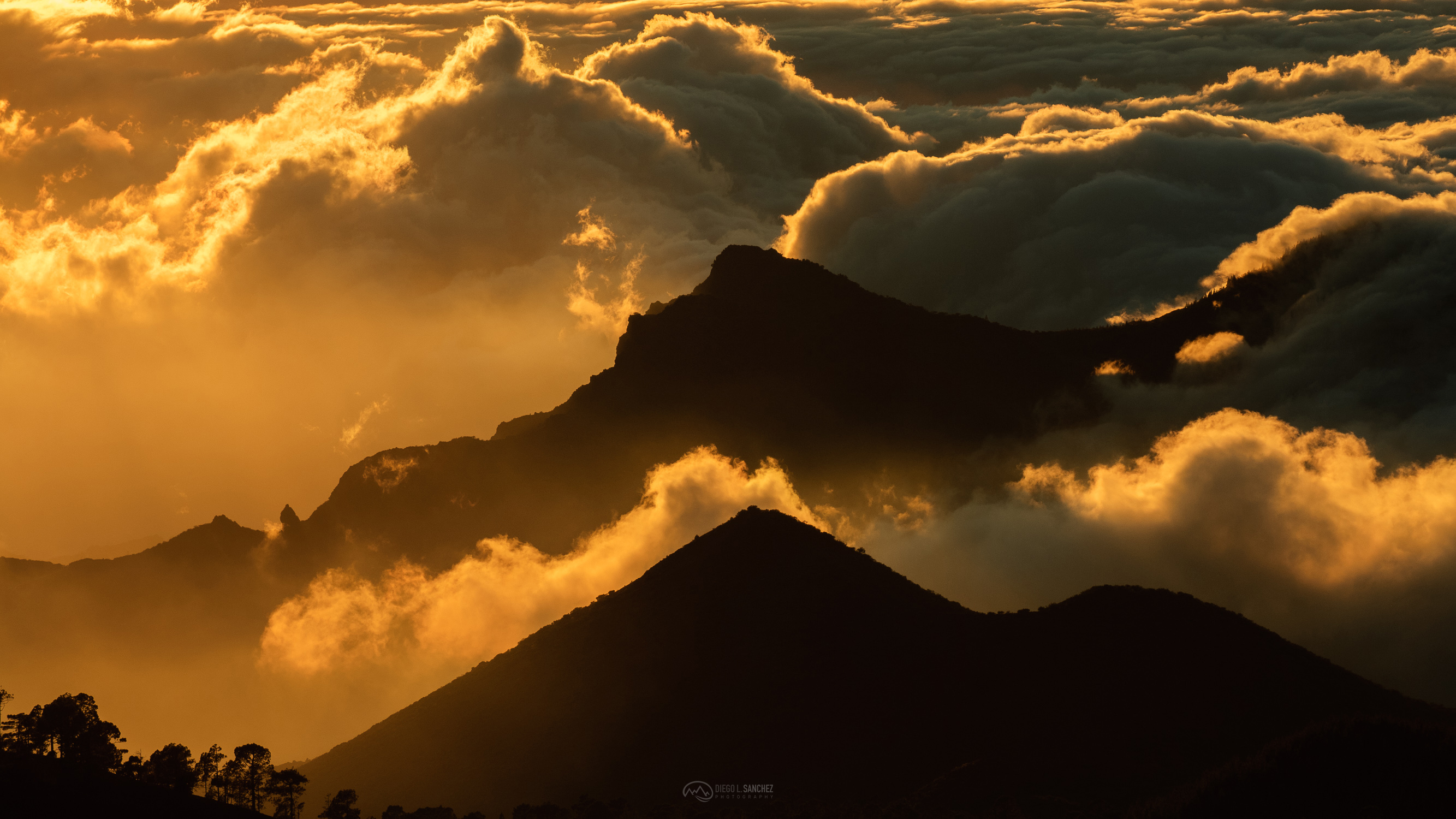
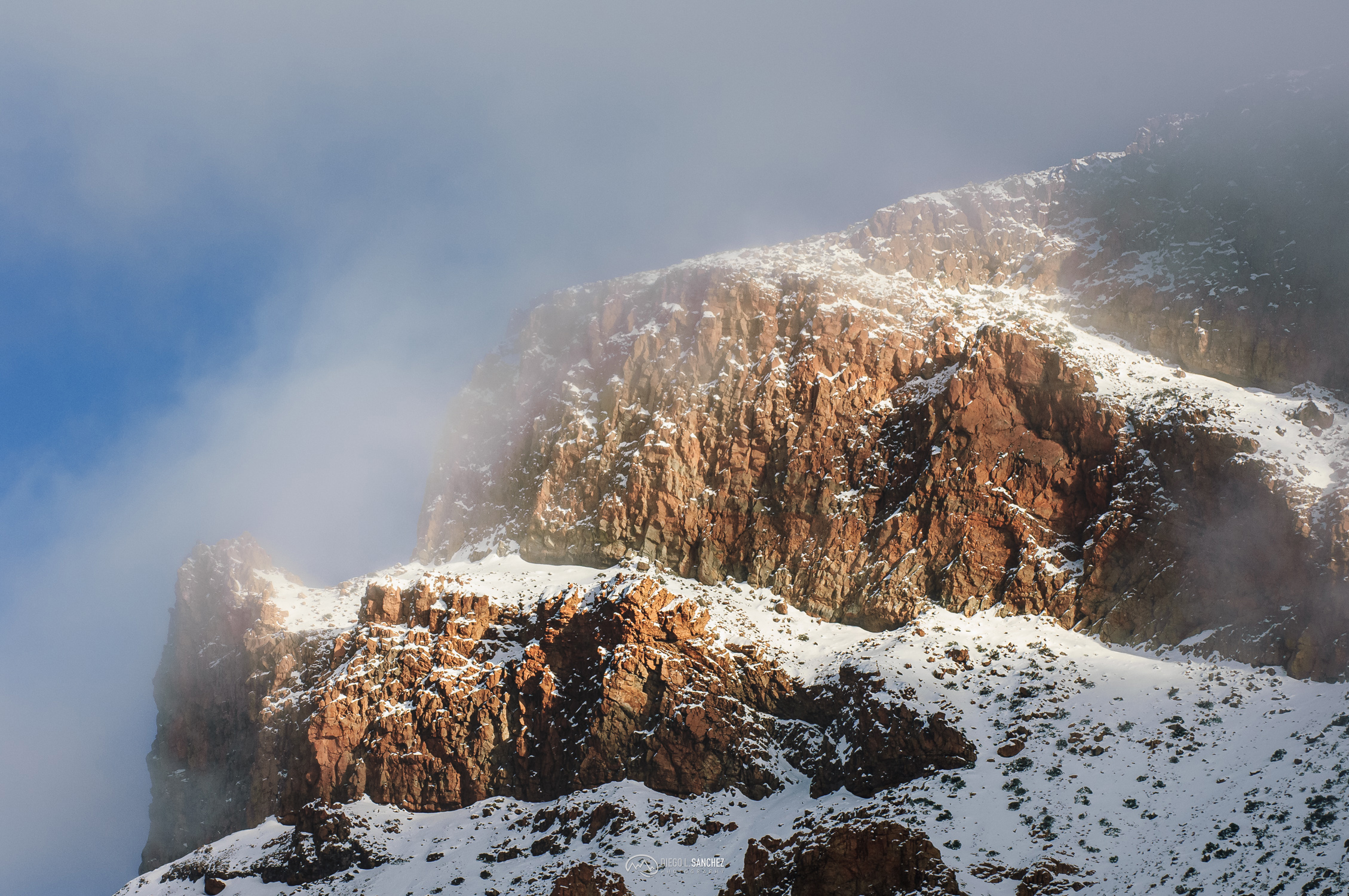
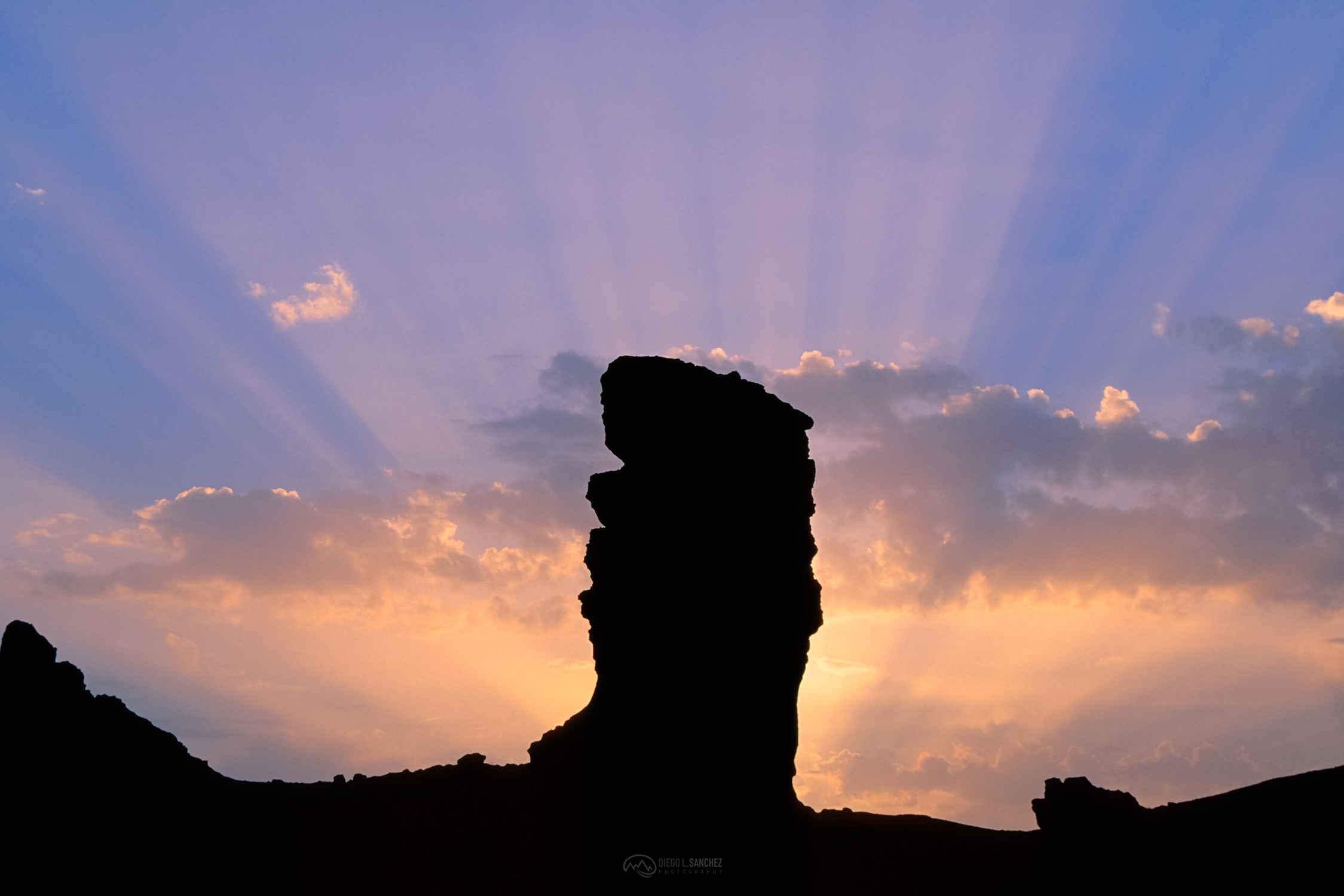
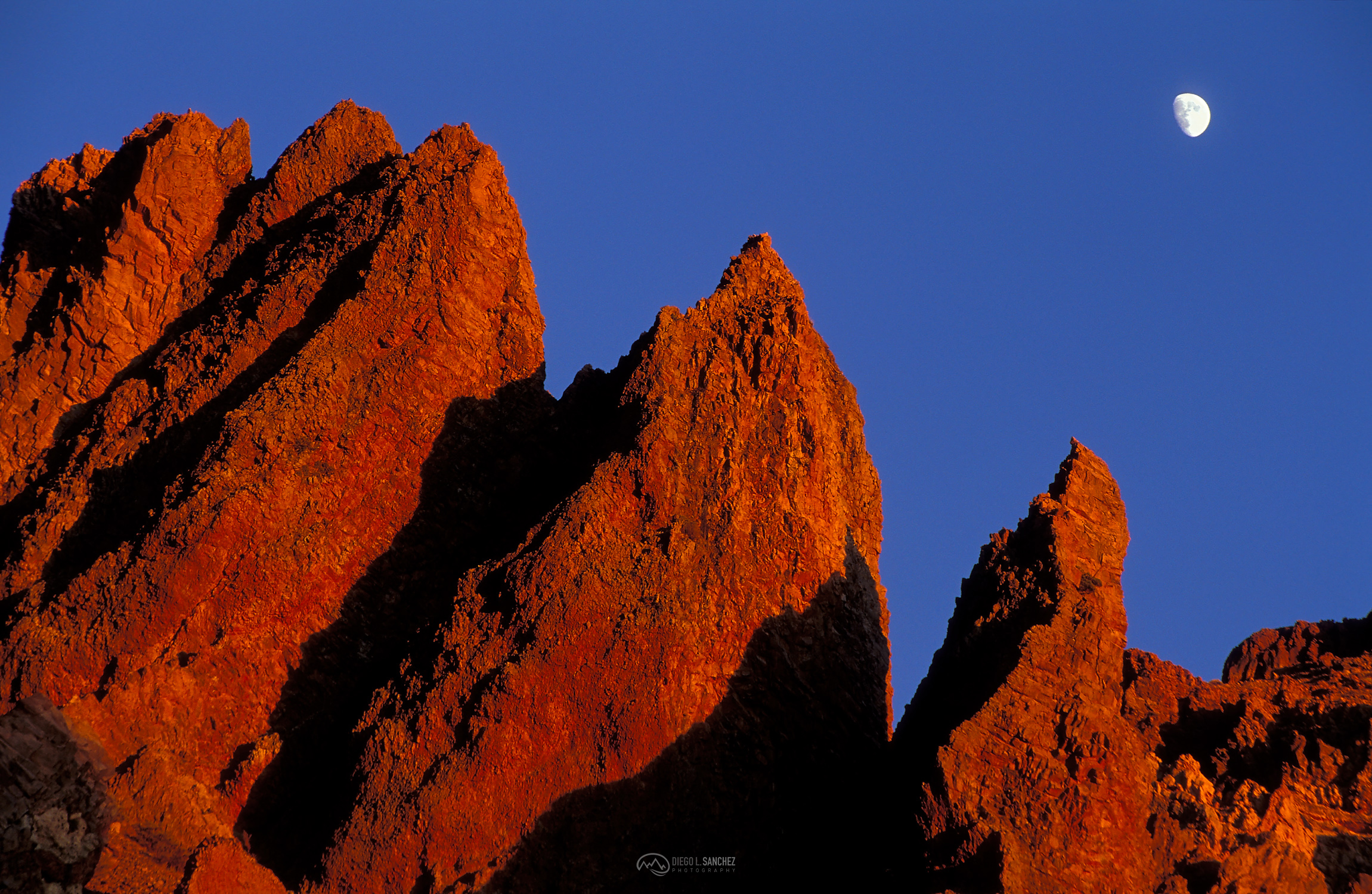
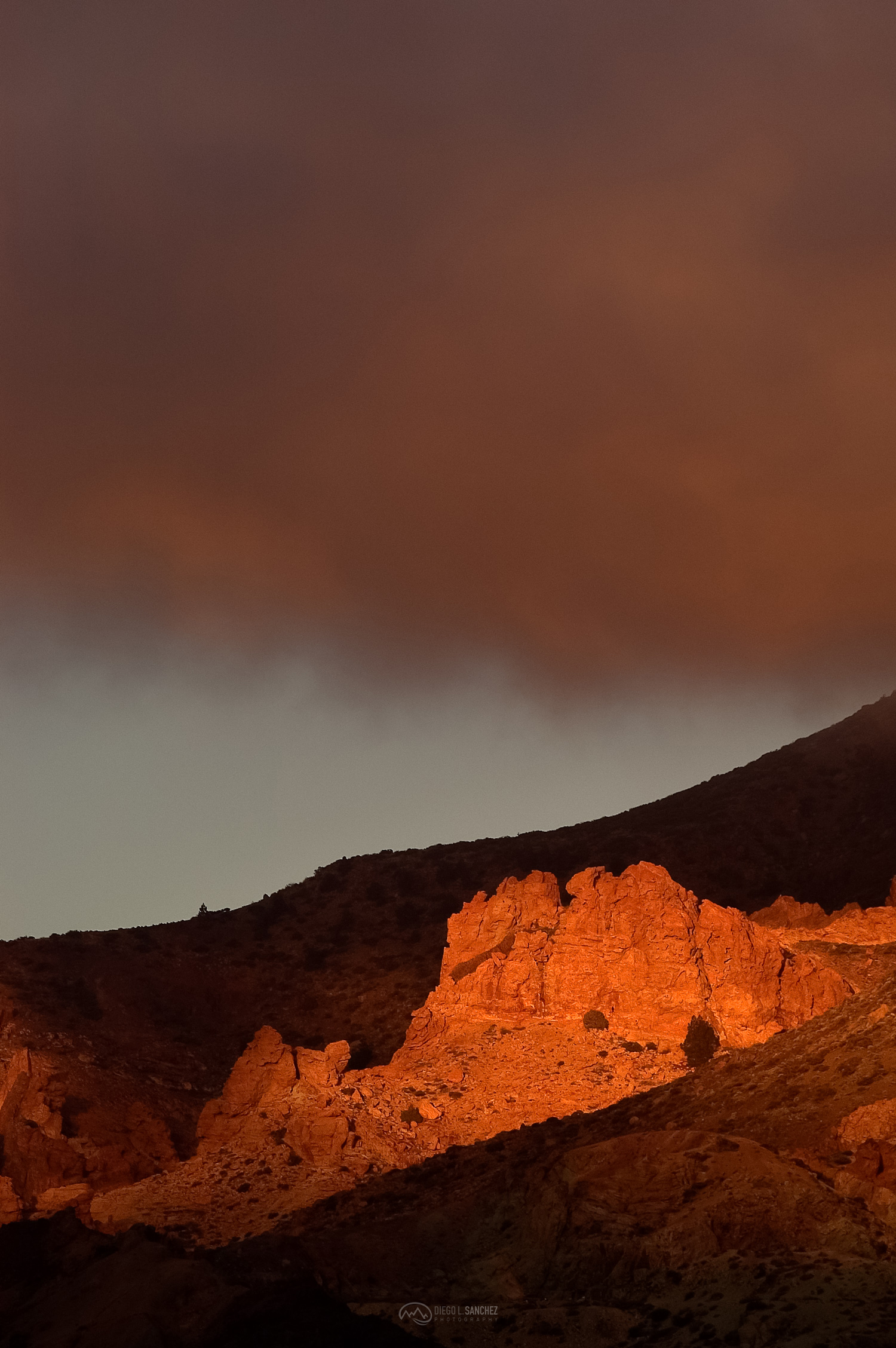
El Teide is only the most visible part of a far larger story. The mountain belongs to a volcanic complex that began as a vast ancient edifice, the remains of which still frame the park as a colossal caldera some 17 kilometres across. Its sheer walls, rising hundreds of metres above the plain, are the broken rim of that older volcano, which scientists believe collapsed roughly 170,000 years ago. Inside this natural amphitheatre, two younger stratovolcanoes grew side by side: El Teide, the summit of Spain, and its neighbour Pico Viejo, whose impressive crater opens like a vast bowl on the mountain's western flank. Across the caldera floor, dark rivers of obsidian-rich lava, pale pumice fields, and delicate cinder cones surround the Llano de Ucanca, a vast, level plain that lies in the shadow of the sculpted towers of Los Roques de García, where El Roque Cinchado, one of the most photographed geological icons of the park, is located.
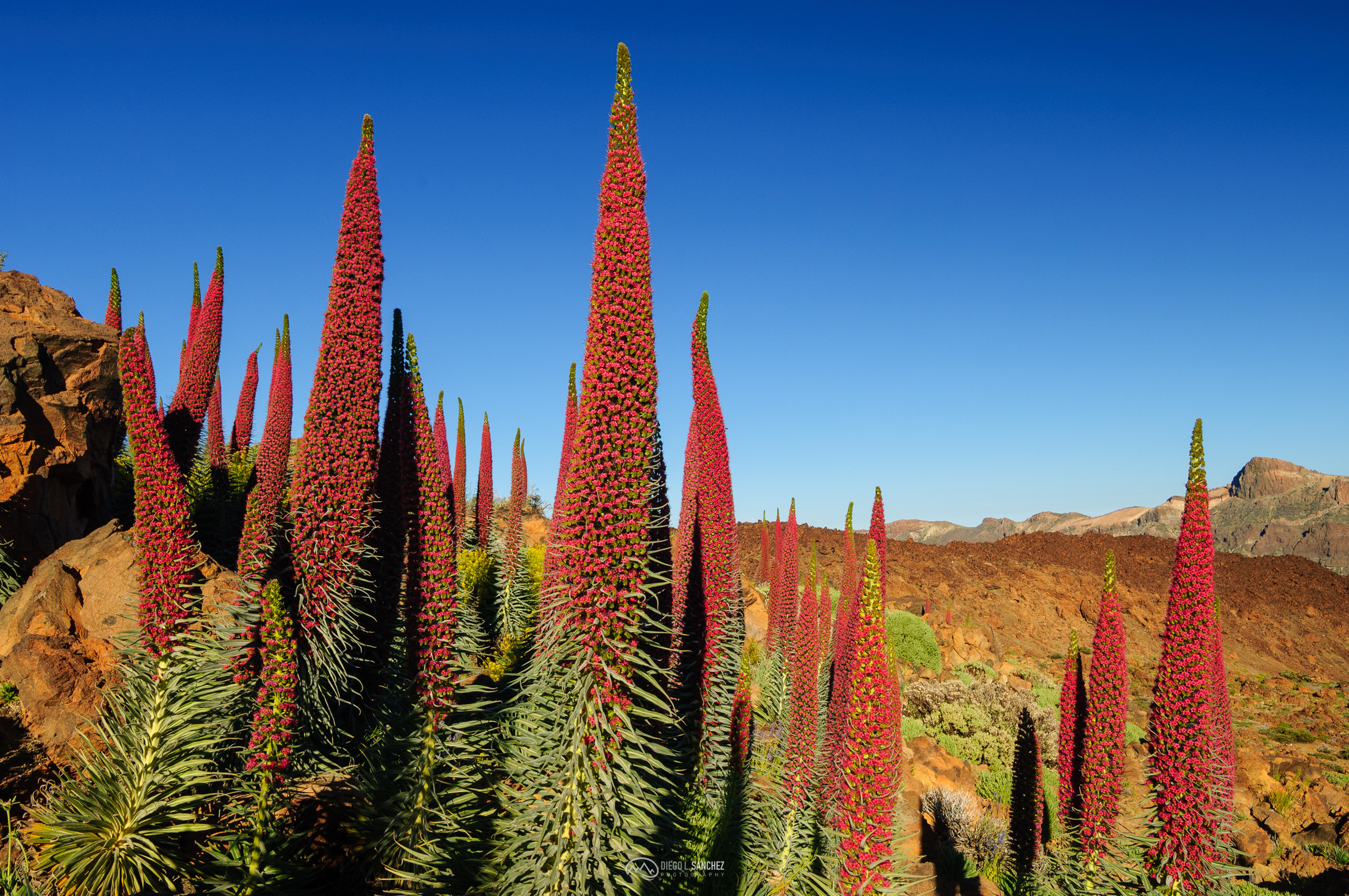
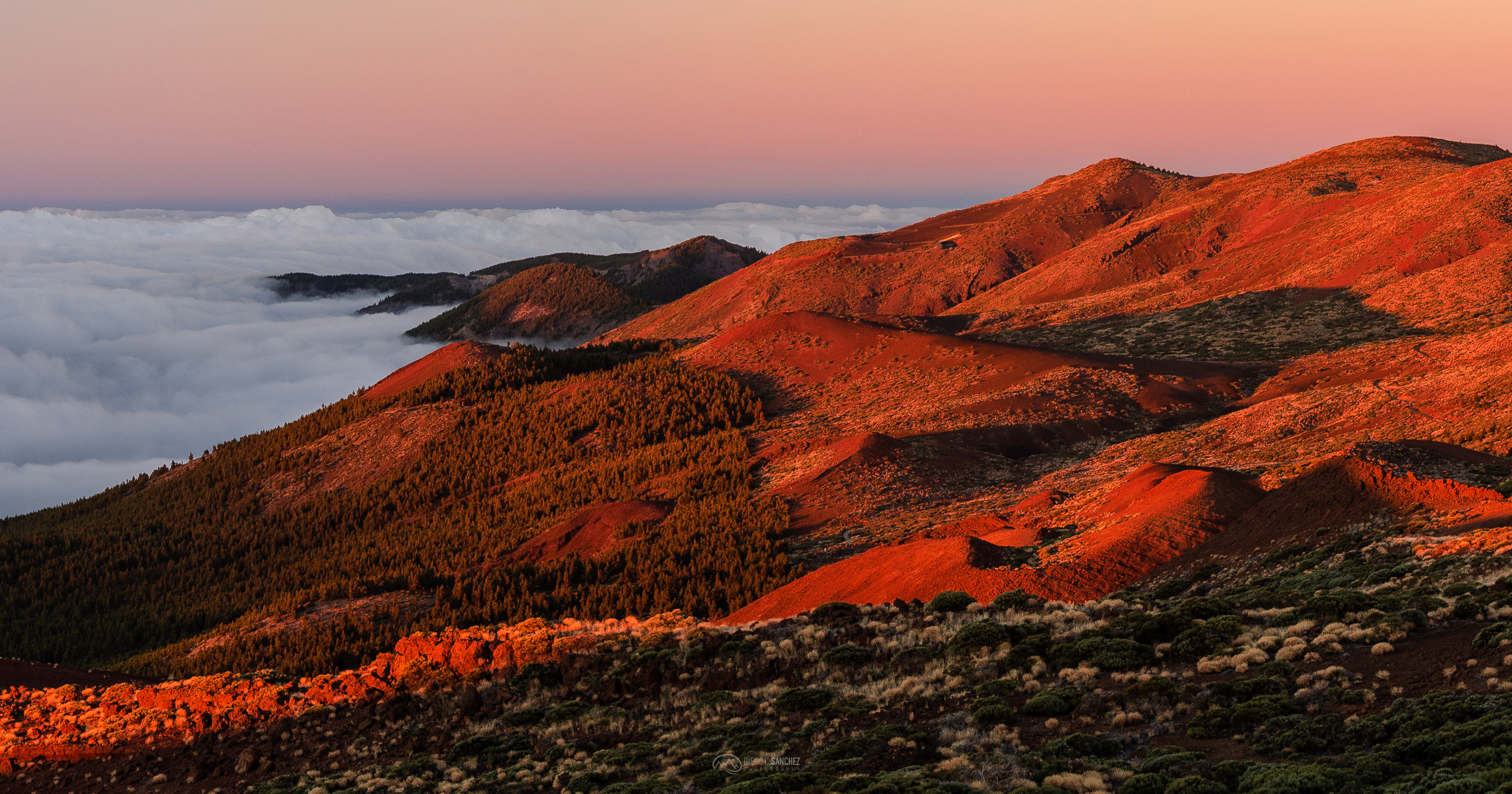
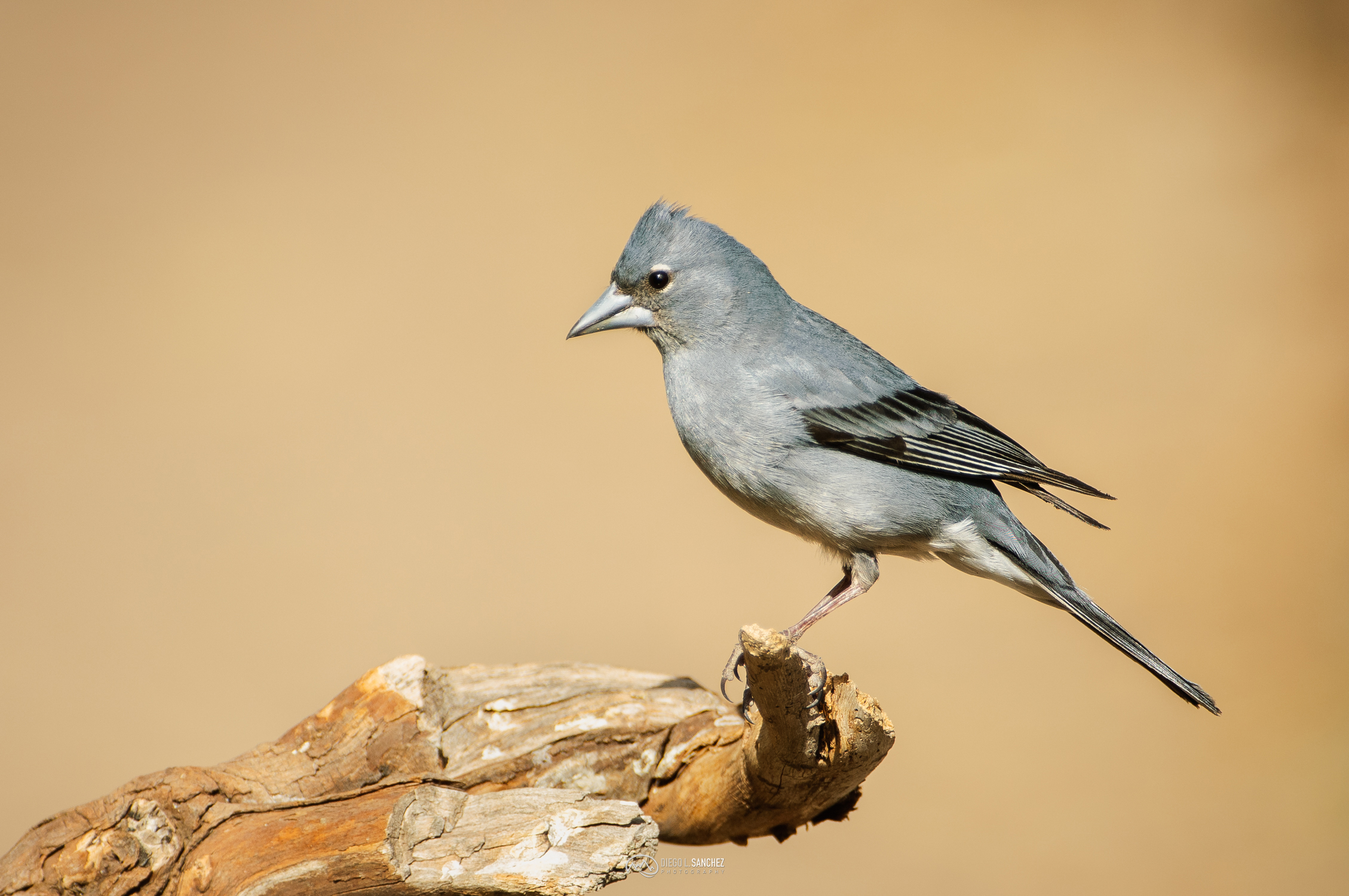
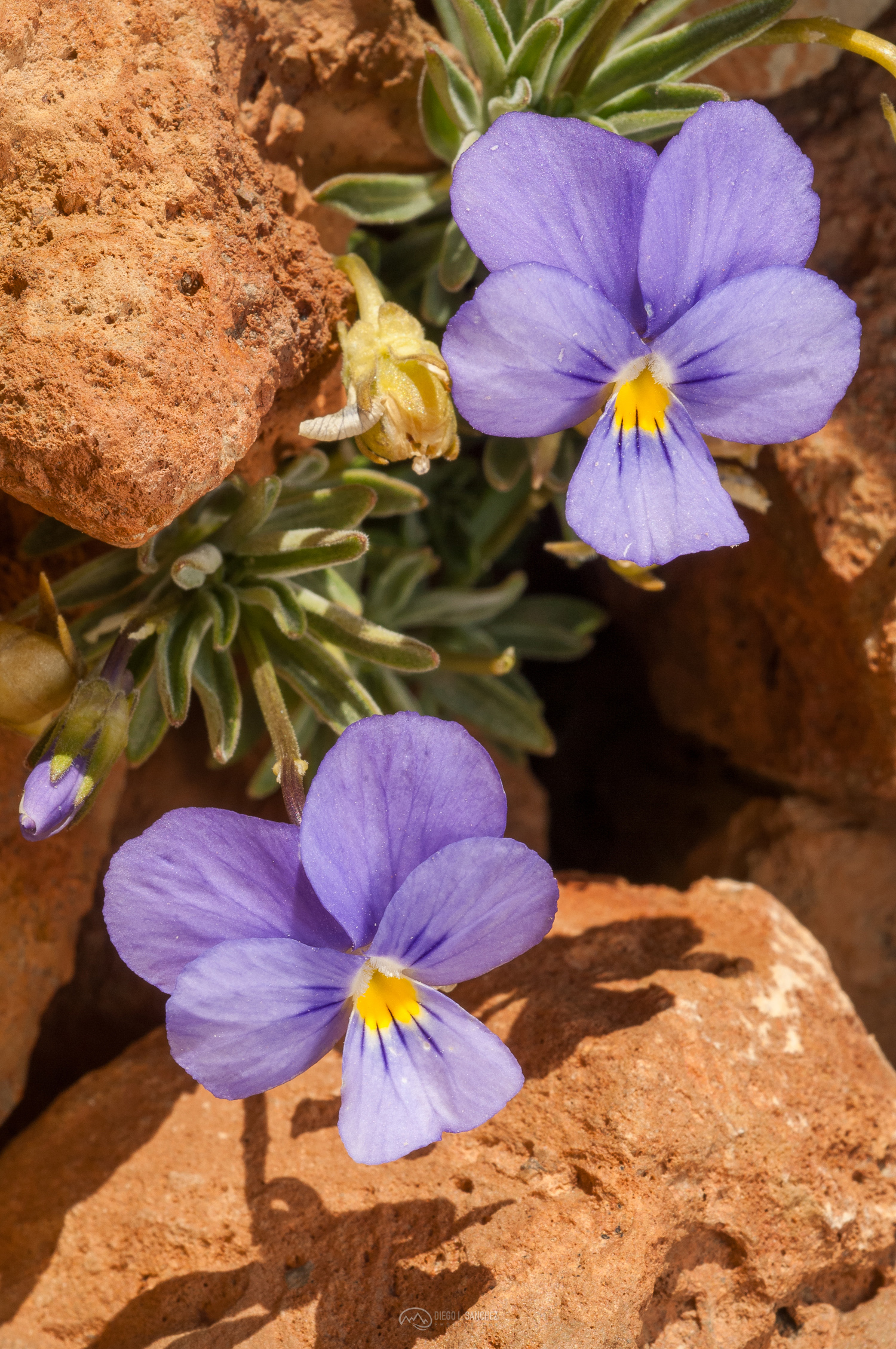
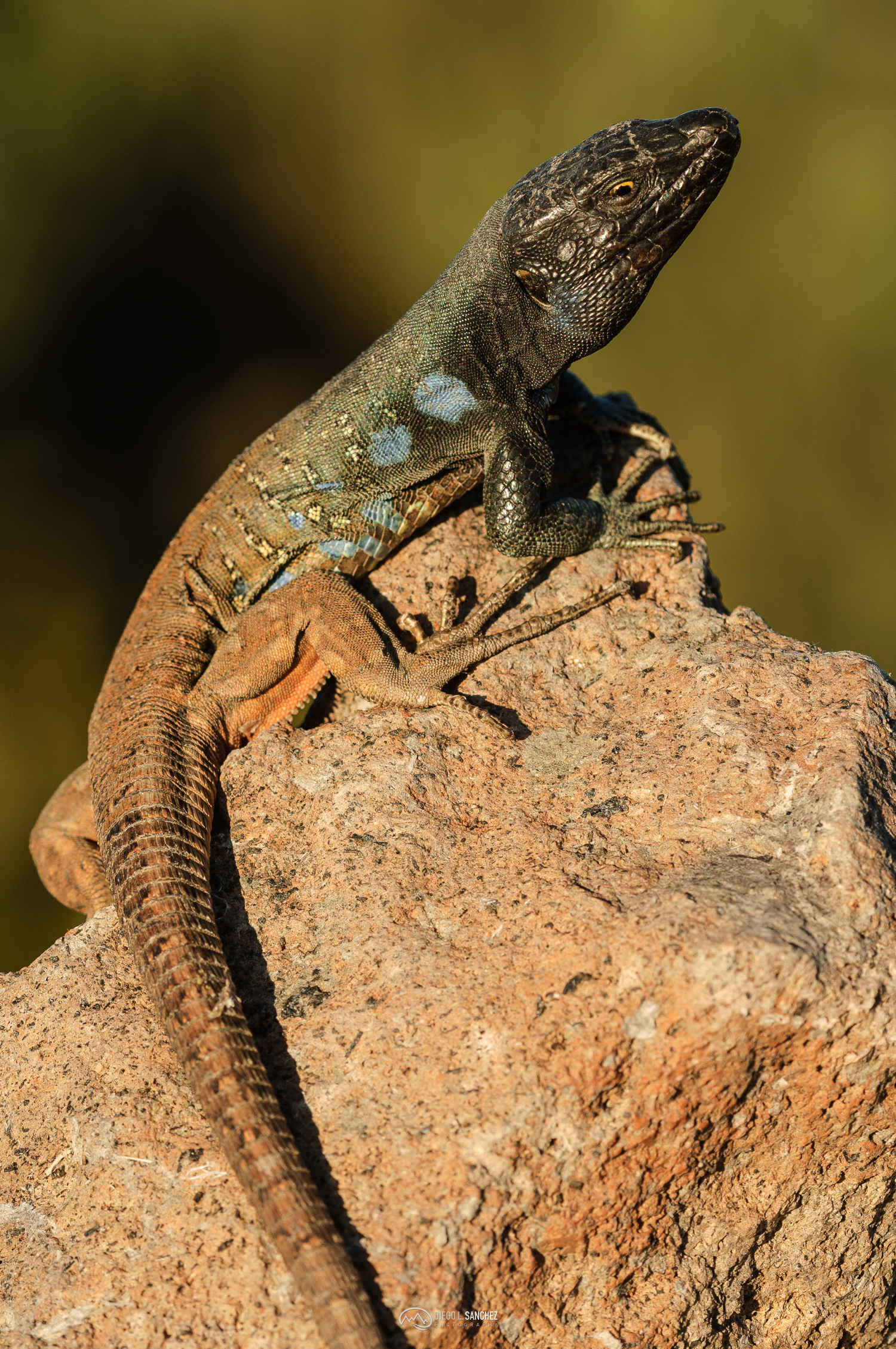
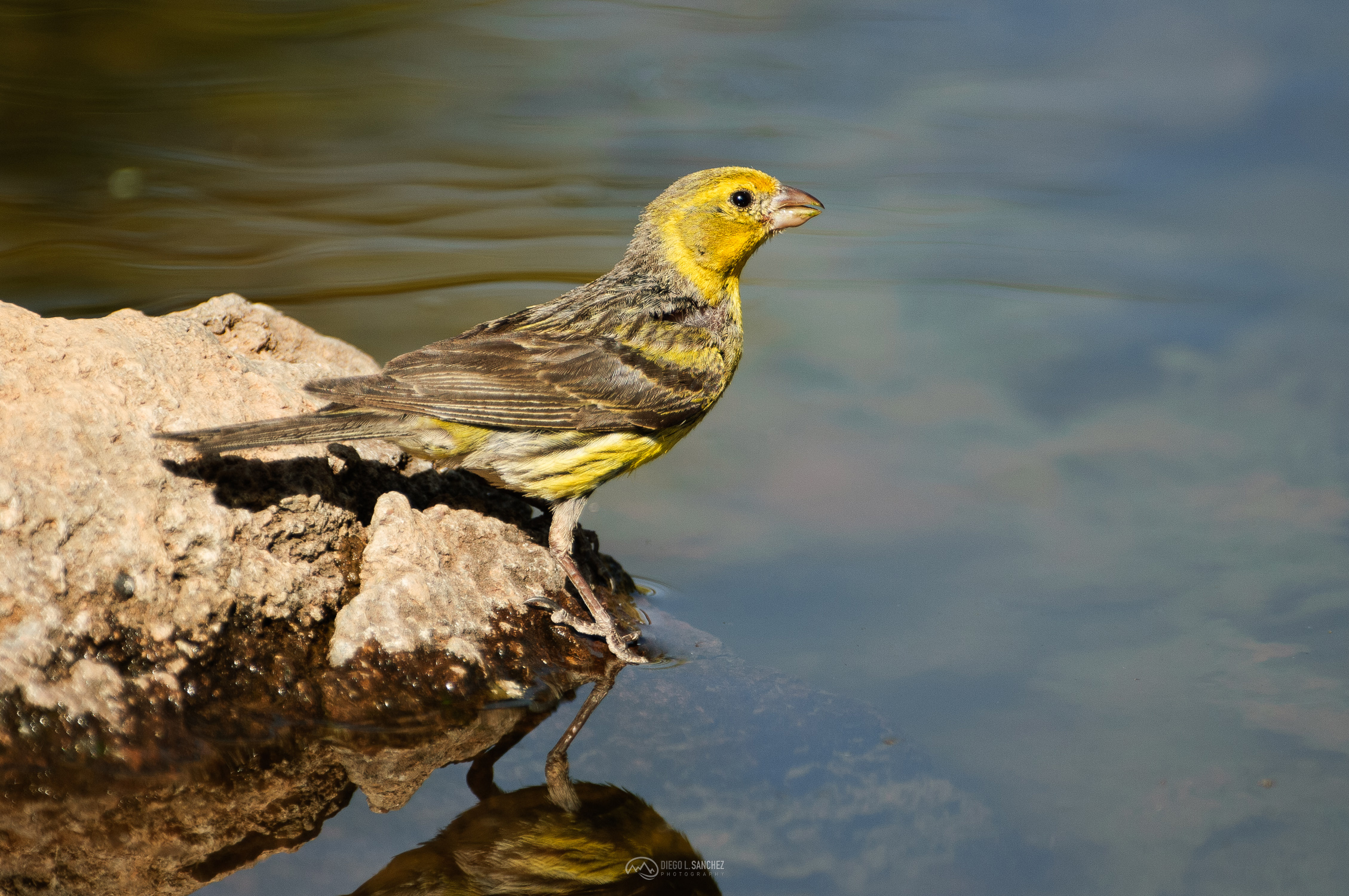
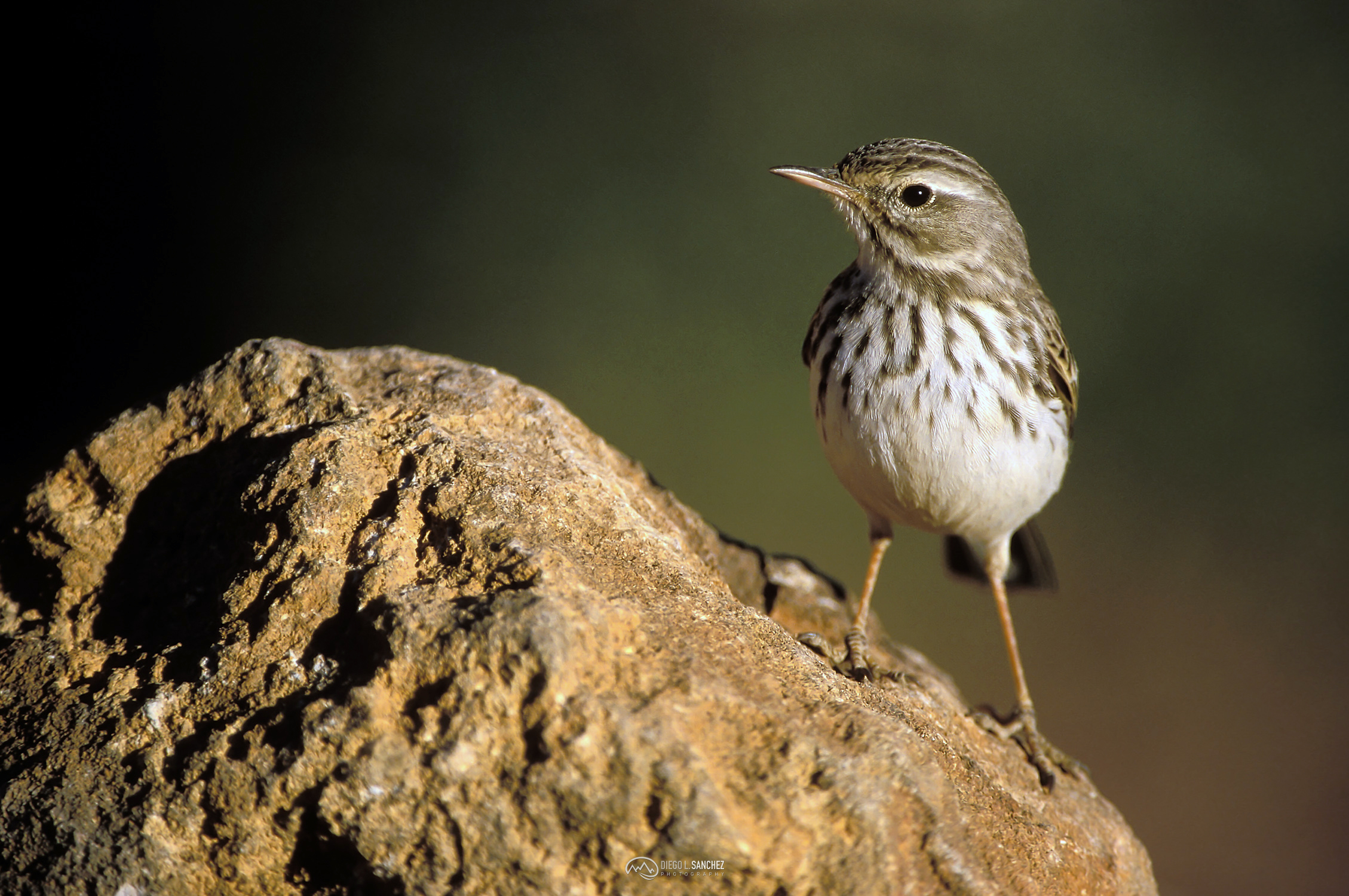
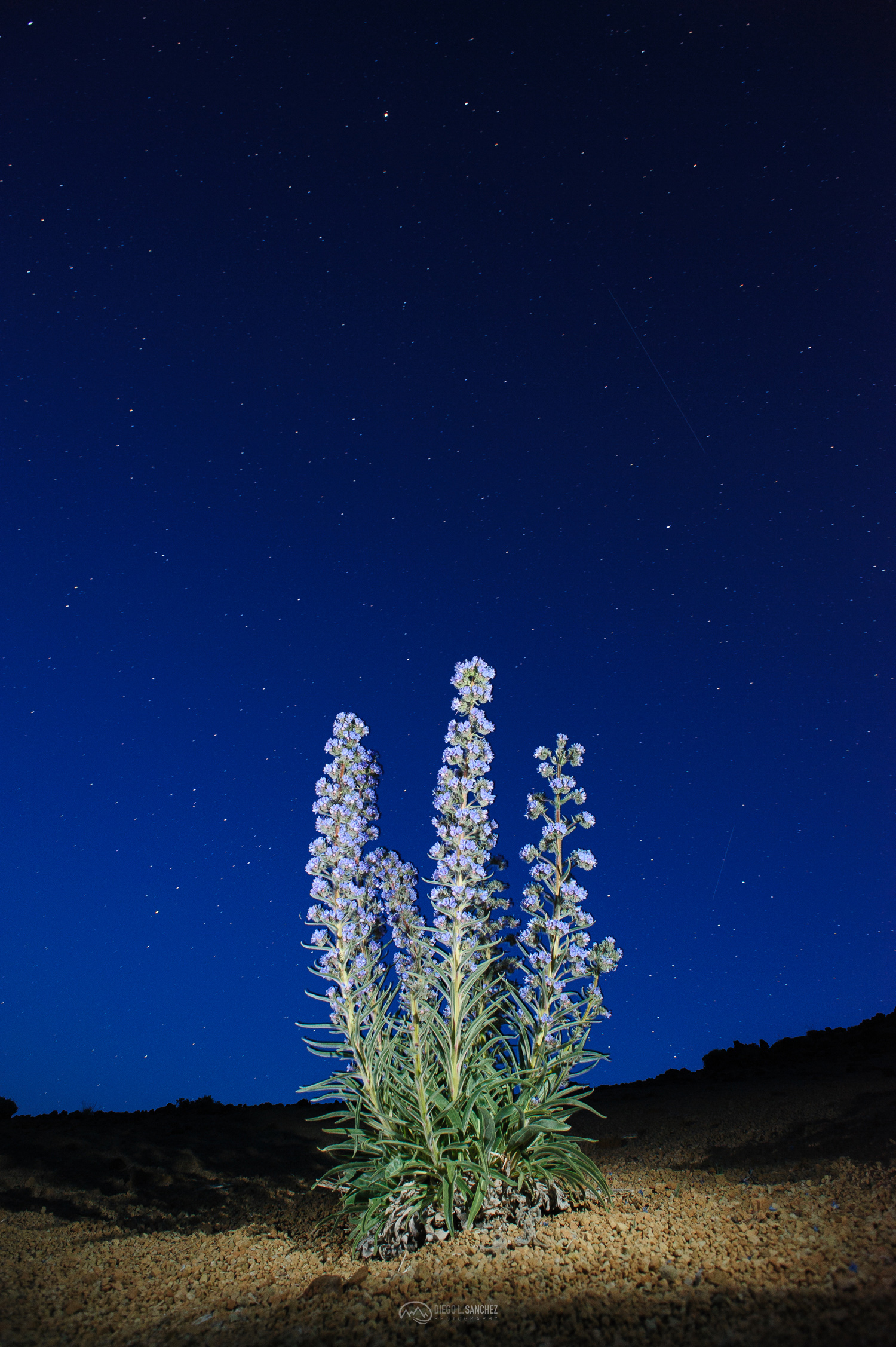
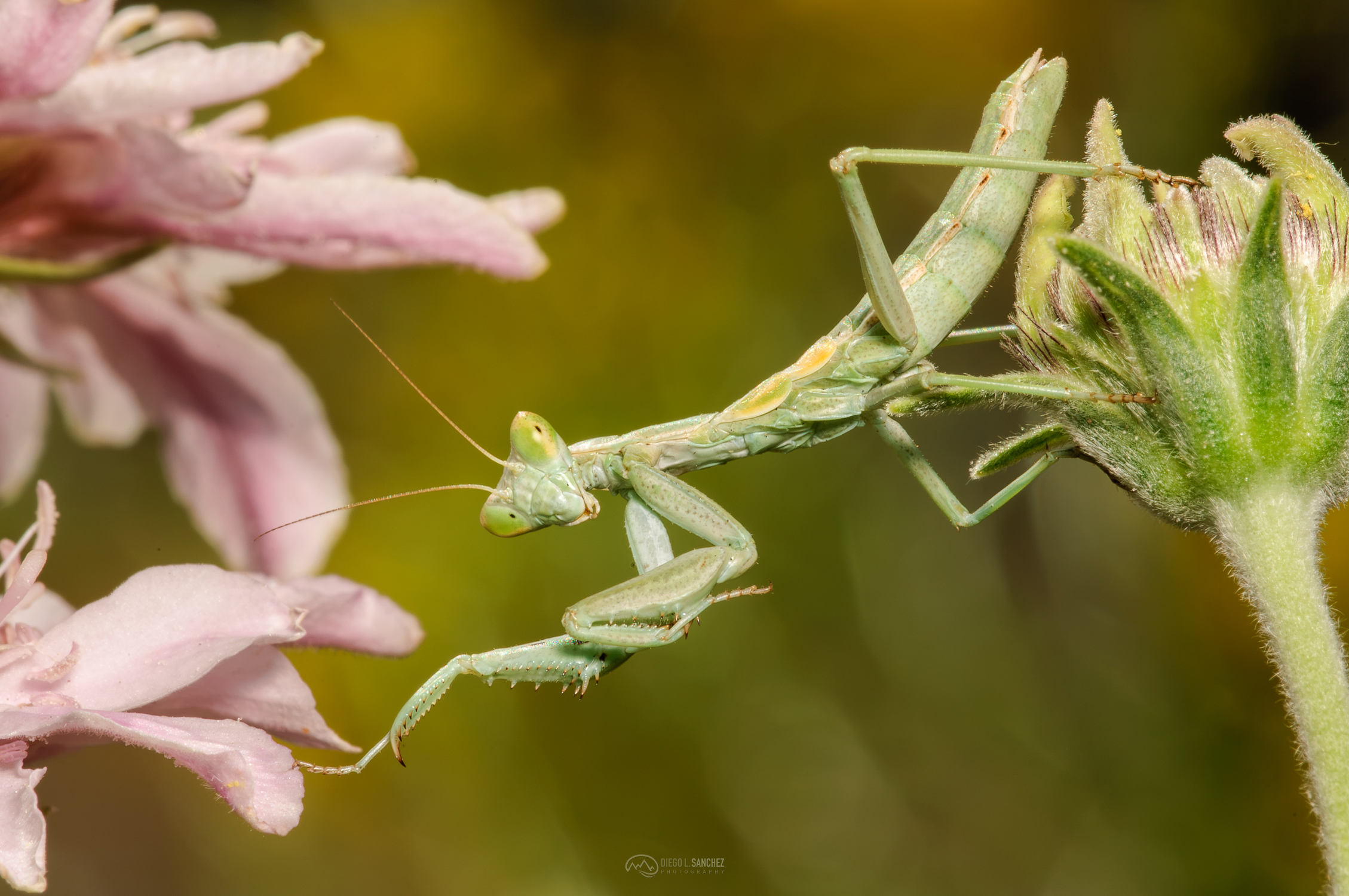
The book does more than document a scenic destination. Through the images, it presents the park as a living, layered place where historical, cultural, and natural aspects are woven together. It explores the volcanic landscapes of Las Cañadas del Teide, from lava flows and cinder fields to the vast caldera surrounding the summit. It follows the park's remarkable flora, including plants endemic to the park (found nowhere else in the world), such as the Teide violet (Viola cheiranthifolia) and the famous bloom of the Teide bugloss (Echium wildpretii). It also looks at the invertebrates, birds, and reptiles that call this extreme habitat home, and devotes a substantial portion to the cultural meaning the mountain has held for the people of the Canary Islands, from the Indigenous Guanche to the explorers, scientists, shepherds, and travellers who followed.