The Giant Lizards of the Canary Islands
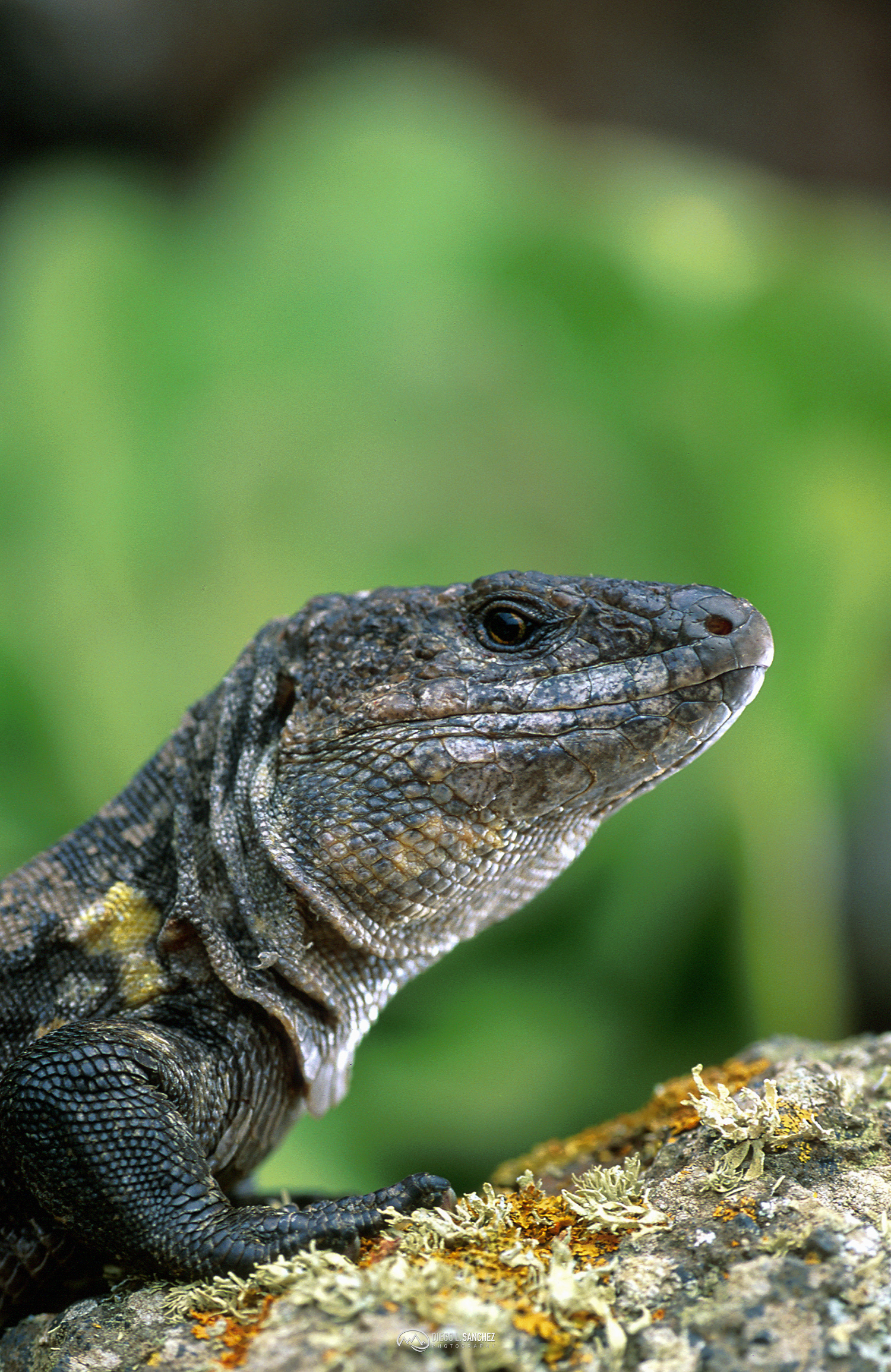
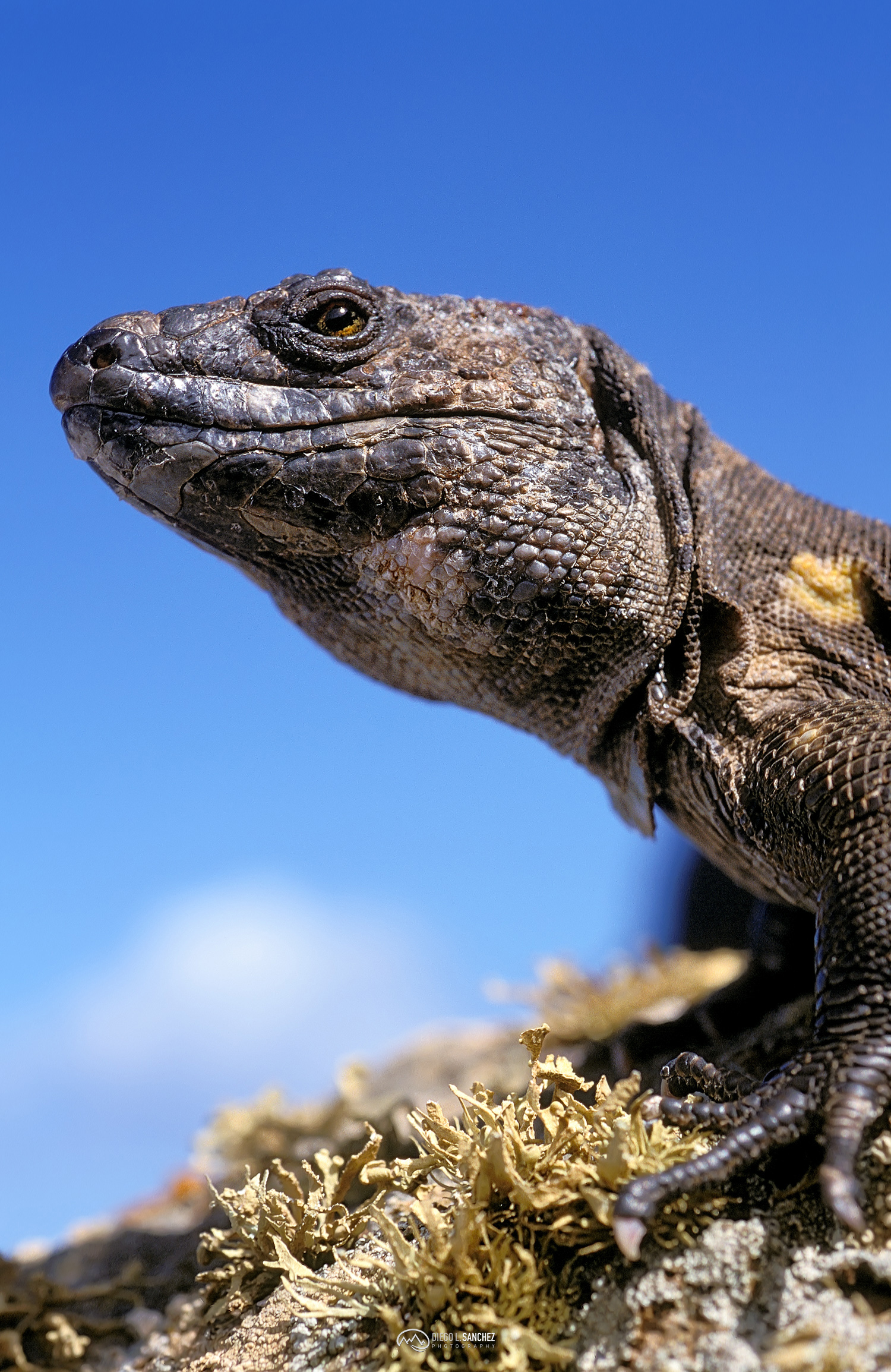
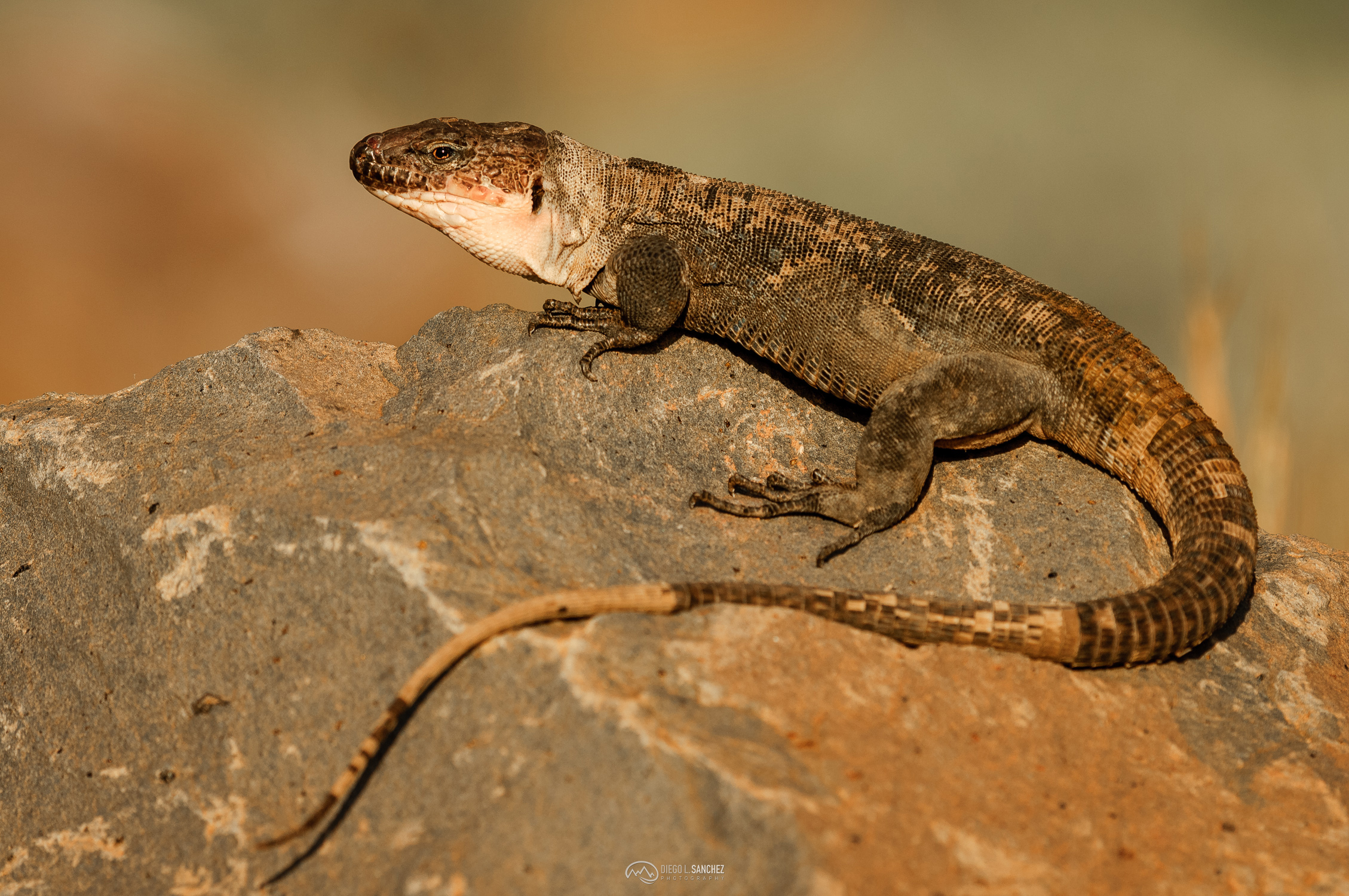
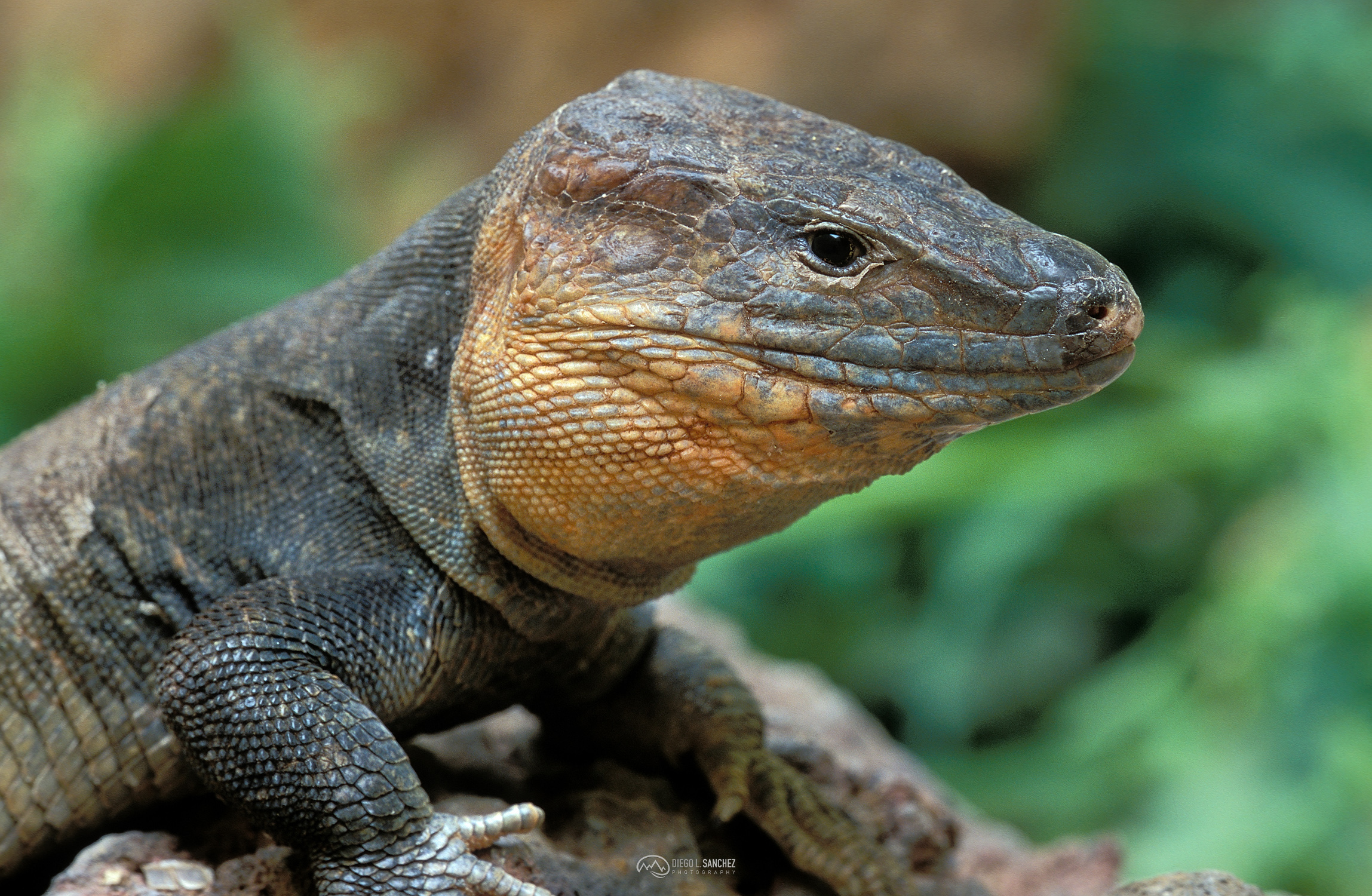
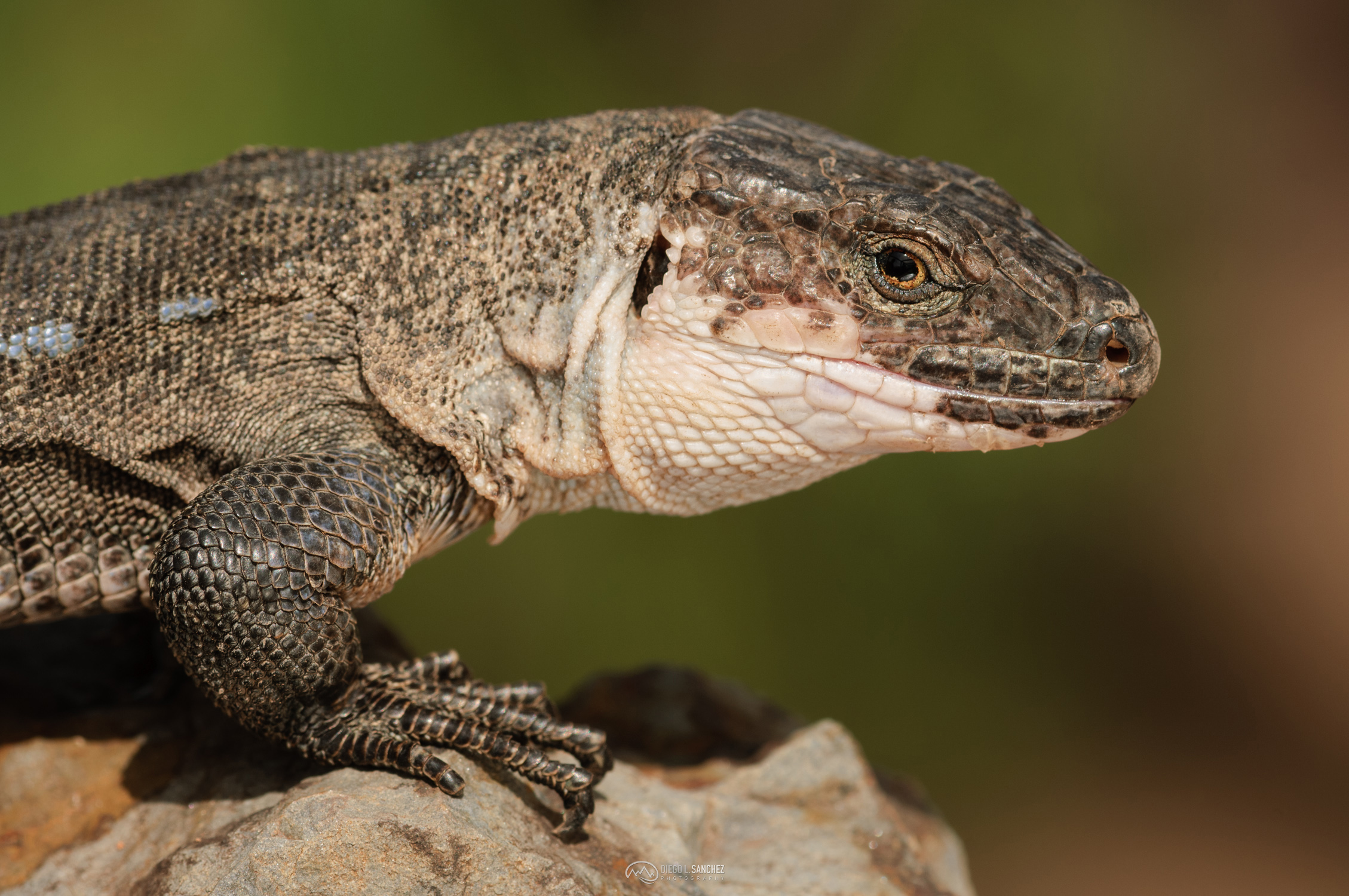
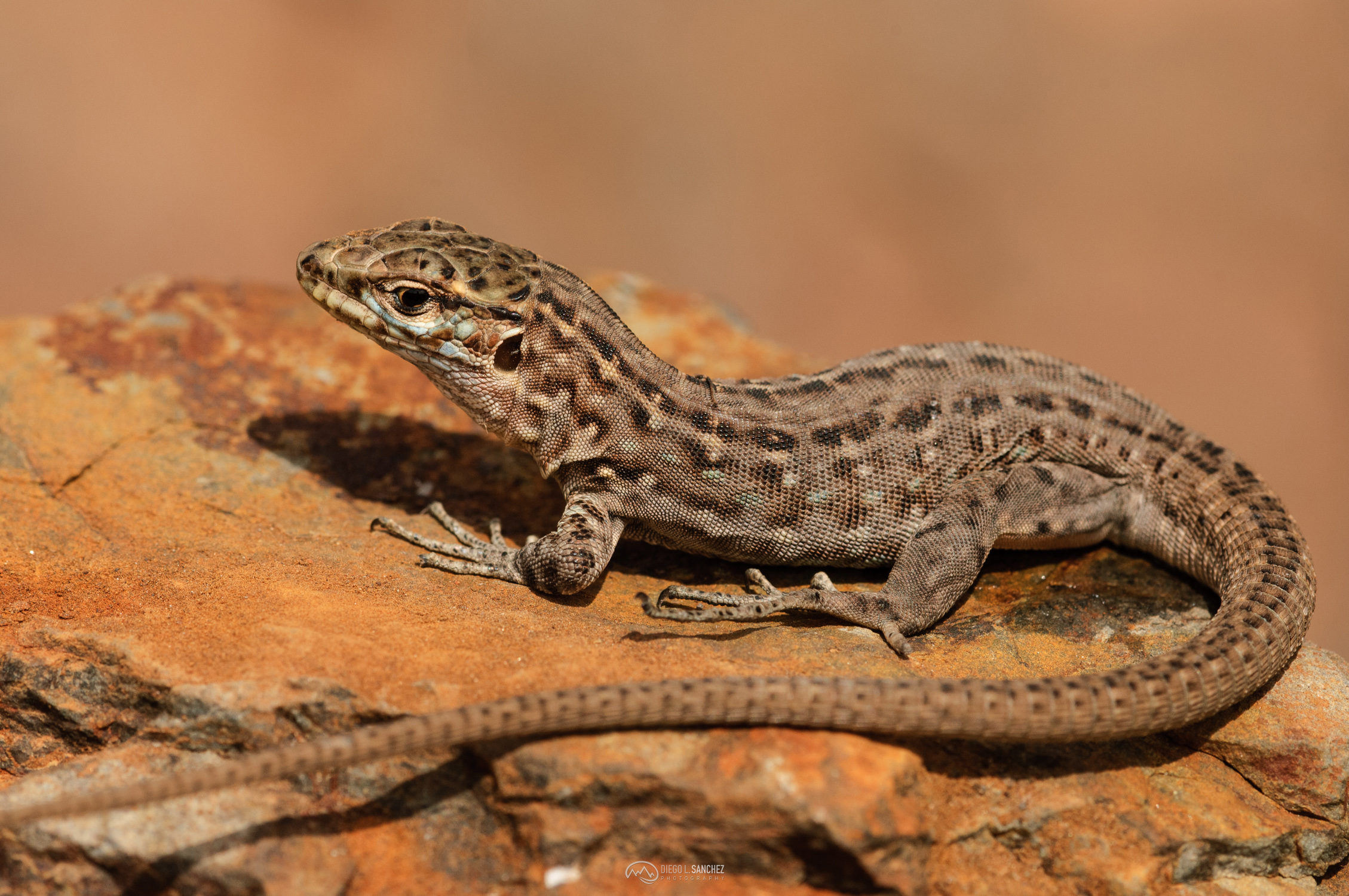
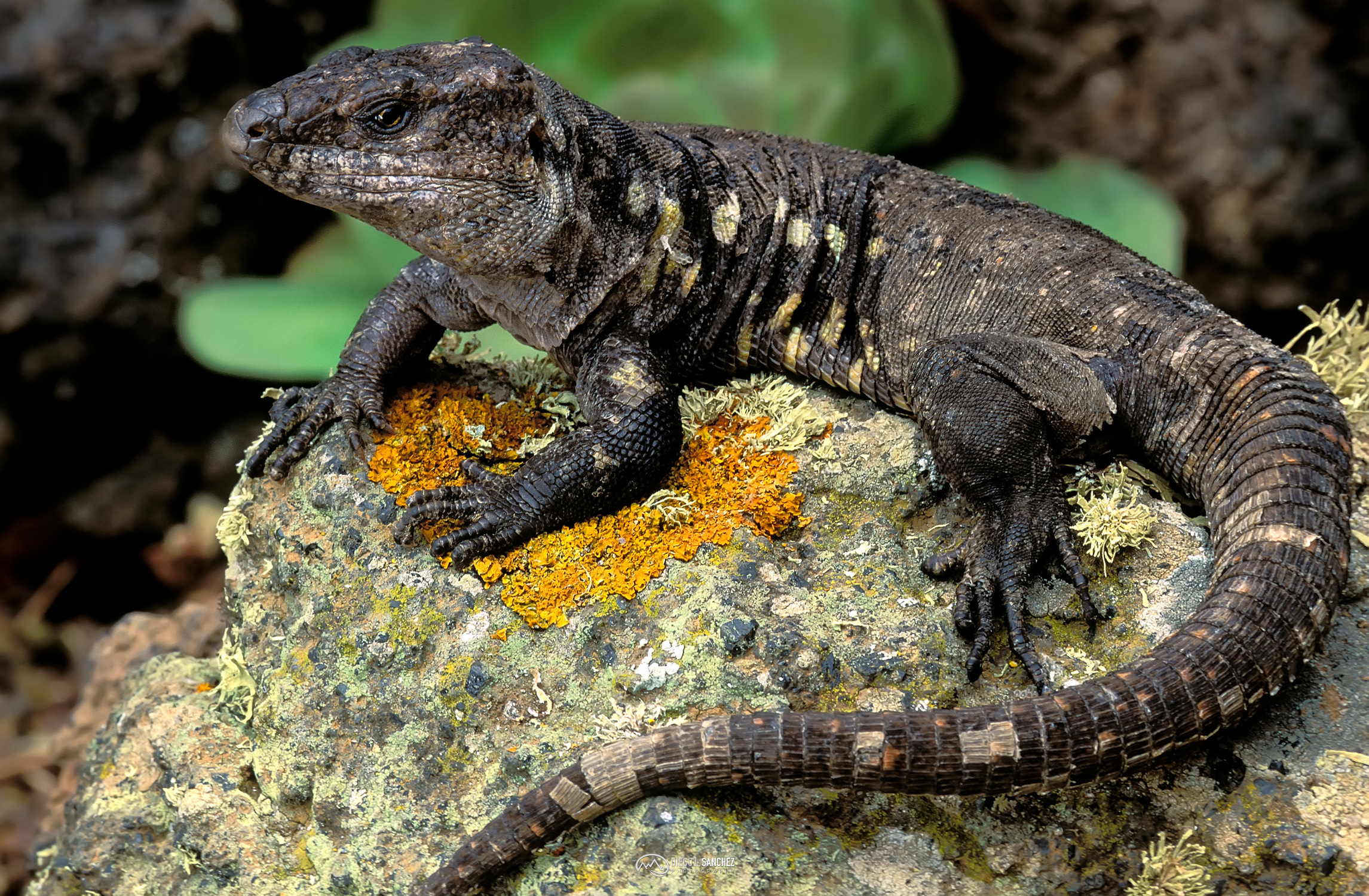
Among the hundreds of endemic animals and plants that inhabit the Canary Islands, the genus Gallotia stands out, with several species of giant lizards found across the archipelago. These remarkable survivors are currently threatened with extinction.
To find them all, one must travel to some of the most inaccessible cliffs across the archipelago, since each island holds its own distinctive species: Gallotia stehlini on Gran Canaria, Gallotia intermedia on Tenerife, Gallotia bravoana on La Gomera, and Gallotia simonyi on El Hierro. Isolated from one another by stretches of open ocean, these lizards have evolved along separate paths for millennia, and several of them now teeter on the brink of extinction.
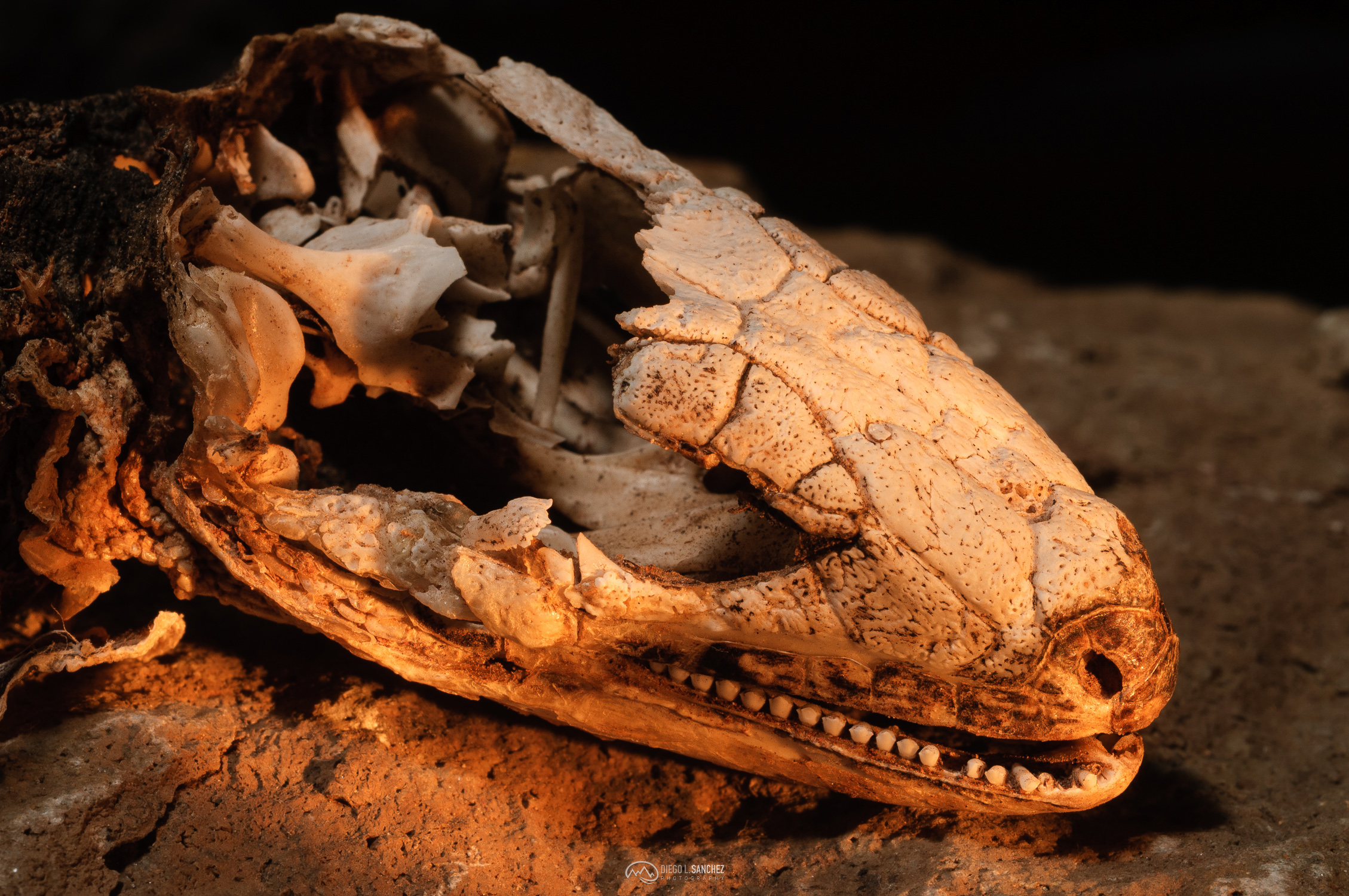
Experts agree that the largest lizards to have survived in the archipelago to the present day have done so at a cost: they are now confined to rugged, hard-to-reach areas, where their populations remain very small. Predation by invasive species, such as feral cats and rats, has taken a heavy toll, and a possible decline driven by climate change threatens to compound the pressure on these already fragile populations.